
How to Choose Educational Toys Online in UAE for Different Learning Goals?

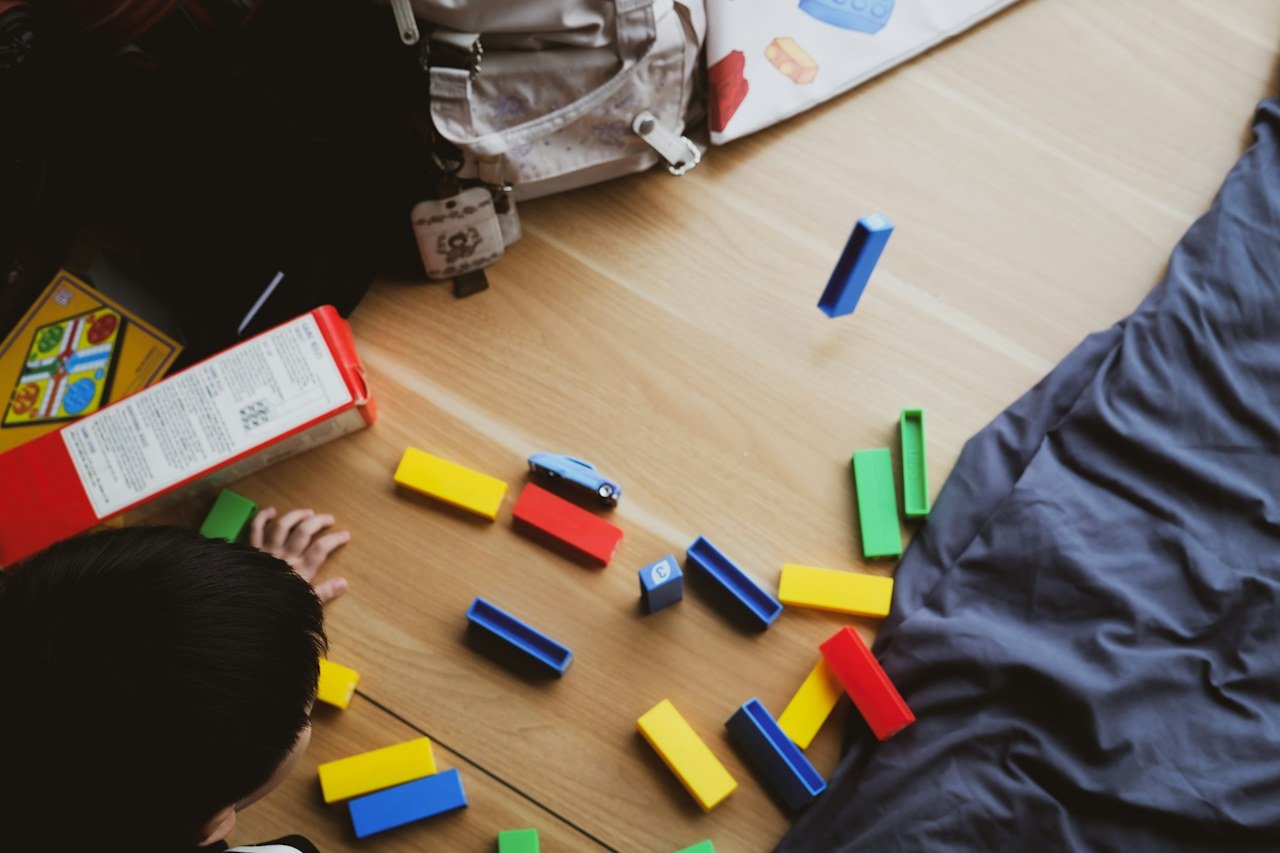
Every child develops new skills through everyday experiences, from stacking blocks and recognising colours to solving puzzles and creating stories. Choosing Educational Toys Online UAE becomes easier when parents understand which learning goals they want to encourage and select activities that match their child’s interests and abilities.
Educational toys can provide opportunities to practise communication, coordination, creativity, memory and problem-solving. However, different toys encourage different activities, and one product may not suit every child’s developmental needs.
For families in the UAE, choosing learning toys online involves balancing educational value, age suitability, safety and meaningful play experiences.
Why Should Parents Choose Educational Toys Based on Learning Goals?
Choosing toys based on learning goals helps parents identify activities that encourage specific skills rather than purchasing products simply because they appear educational.
Learning goals provide direction without making play overly structured.
For example, a child practising hand coordination may enjoy stacking blocks, while another developing early language skills may prefer storytelling cards.
Common early learning goals include:
- Cognitive development: Practising memory, observation and reasoning.
- Language development: Exploring vocabulary and communication.
- Fine motor development: Improving hand and finger coordination.
- Creative thinking: Developing imagination and original ideas.
- Social development: Practising cooperation and turn-taking.
- Sensory exploration: Investigating textures, sounds and movement.
Parents should consider children’s interests alongside these goals and allow them opportunities to explore freely.
Choosing Educational Toys Online UAE for Different Learning Goals
The most suitable educational toys offer activities that connect naturally with the skills children are developing.
1. Cognitive Development – Puzzles and Matching Games
Cognitive learning toys encourage children to observe patterns, compare objects and experiment with solutions.
Suitable educational toys include:
- Jigsaw puzzles
- Shape sorters
- Memory-matching cards
- Pattern-building games
- Age-appropriate logic puzzles
For example, completing a shape puzzle requires children to recognise differences, test possibilities and find matching pieces.
Parent tip: Begin with manageable puzzles and gradually introduce more challenging activities as your child becomes comfortable.
2. Language Development – Flashcards and Storytelling Toys
Language-based activities encourage children to listen, describe objects, ask questions and communicate ideas.
Recommended resources include:
- Picture flashcards
- Alphabet games
- Storytelling cards
- Puppets
- Picture-sequencing activities
Parents can use picture cards to create simple stories and invite children to describe what happens next.
These interactions provide opportunities to practise vocabulary, conversation and imagination.
Families can explore educational toys and learning resources to discover activities suited to different learning interests.
3. Fine Motor Development – Building and Manipulative Toys
Fine motor activities involve controlled movements of the hands and fingers.
Suitable toys include:
- Large building blocks
- Stacking rings
- Threading boards
- Peg activities
- Age-appropriate construction sets
These materials allow children to practise grasping, positioning and manipulating objects.
Choose activities that match your child’s coordination abilities and follow manufacturer safety recommendations.
4. Creative Development – Open-Ended Learning Toys
Open-ended toys encourage children to explore different possibilities without requiring one correct outcome.
Popular examples include:
- Building sets
- Art and craft materials
- Modelling dough
- Pretend-play sets
- Creative construction toys
A child might use building blocks to create a house, bridge or imaginary playground.
These activities offer opportunities for planning, experimentation and imaginative expression.
Which Educational Toys Support Different Learning Goals?
Parents can compare learning materials by considering the activities children perform rather than relying entirely on product labels.
| Learning Goal | Suitable Educational Toys | Activities Encouraged |
|---|---|---|
| Problem-solving | Puzzles, logic games | Testing solutions |
| Language development | Flashcards, story cards | Naming and storytelling |
| Fine motor coordination | Building blocks, threading toys | Grasping and manipulating |
| Creativity | Art sets, construction toys | Designing and imagining |
| Social interaction | Cooperative games | Sharing and teamwork |
| Sensory exploration | Textured toys, sensory boards | Exploring different sensations |
According to the National Association for the Education of Young Children (NAEYC), children benefit from varied play materials that encourage different experiences and opportunities for learning.
A single educational toy may support several learning goals depending on how children use it.
How to Match Learning Toys With Your Child’s Age
Age-appropriate toys help children explore new skills without unnecessary frustration.
Ages 1–2: Sensory Exploration and Basic Coordination
Young toddlers often enjoy moving, stacking and investigating objects.
Consider:
- Large stacking rings
- Simple shape sorters
- Soft activity toys
- Large-piece building blocks
Avoid toys with accessible small parts or other choking hazards.
Ages 3–5: Early Language and Problem-Solving
Preschool children may enjoy activities involving matching, storytelling and imaginative play.
Suitable options include:
- Beginner puzzles
- Picture flashcards
- Colour-sorting games
- Pretend-play sets
These activities can encourage communication, observation and creative thinking.
Ages 6 and Above: Reasoning and Independent Projects
School-age children may enjoy more challenging activities requiring planning and multiple steps.
Recommended options include:
- Construction kits
- Strategy games
- Advanced puzzles
- Creative project sets
Parents browsing learning toys for kids in UAE should consider developmental abilities alongside age recommendations.
What Should Parents Check Before Buying Educational Toys Online?
Buying educational toys online requires careful attention to product details, safety information and purchasing conditions.
Check Product Descriptions and Age Recommendations
A useful product listing should explain:
- Recommended age group
- Product materials
- Included components
- Dimensions
- Intended play activities
- Relevant safety warnings
Avoid choosing toys solely because of attractive photographs or promotional descriptions.
Prioritise Toy Safety
The American Academy of Pediatrics’ toy safety guidance recommends reviewing age labels and checking for potential hazards.
Pay particular attention to small components, loose magnets, accessible batteries and sharp edges.
Review Online Shopping Information
Before purchasing, check the store’s published delivery conditions, return policy and contact information.
Compare products based on safety, suitability and learning value rather than price alone.
A clear and informative shopping experience makes educational toy selection easier for families.
How Can Parents Use Educational Toys to Achieve Learning Goals at Home?
Educational toys become more useful when parents create enjoyable opportunities for children to explore.
Start by choosing one simple goal, such as recognising shapes or practising coordination.
Introduce an appropriate activity and allow children to experiment.
For example:
- Select a shape-sorting toy.
- Demonstrate one example.
- Encourage your child to try independently.
- Ask simple questions about the shapes.
- Celebrate effort rather than expecting perfect results.
Families can discover additional play-based resources through Pebblez Toy Store to support different activities at home.
Learning goals should guide play without turning every activity into a formal lesson.
Pebblez – Supporting Purposeful Learning Through Play in UAE
Pebblez Toy Store offers educational, sensory and developmental play resources for children, families and professionals in the UAE. Its collections include materials for creative activities, hands-on exploration and early learning. Parents can browse different toy categories and review individual product information, age recommendations and safety guidance. Choosing resources that match children’s interests can make everyday learning more engaging and enjoyable.
Looking for Educational Toys That Match Your Child’s Learning Goals?
Choosing Educational Toys Online UAE becomes more meaningful when parents focus on their child’s abilities, interests and developmental goals. Explore educational and developmental toys at Pebblez Toy Store and discover engaging activities that encourage curiosity, creativity and enjoyable learning experiences at home.
Frequently Asked Questions
1. How do I choose educational toys online in UAE for specific learning goals?
Identify the skills you want to encourage, such as problem-solving, language or coordination. Choose age-appropriate toys that provide activities related to those goals.
2. Which educational toys are suitable for improving problem-solving skills?
Puzzles, matching games and construction toys provide opportunities to practise reasoning and experimentation. Select activities that match your child’s abilities.
3. What educational toys help with early language development?
Picture flashcards, storytelling cards, puppets and alphabet activities can encourage vocabulary and communication. Parent-child interaction makes these activities more meaningful.
4. Are sensory toys useful for children’s learning?
Sensory toys provide opportunities to investigate textures, sounds and movement. Their suitability depends on individual interests, sensory preferences and safety needs.
5. What should parents check before buying educational toys online in UAE?
Review manufacturer age recommendations, product materials, safety warnings and included components. Also check the retailer’s delivery and return conditions.
6. Can one educational toy support multiple learning goals?
Yes. Building blocks, for example, can encourage coordination, creativity, planning and problem-solving. Different learning opportunities emerge depending on how children use the toy.
