
How Can Kids Educational Toys Help Develop Early Problem-Solving Skills?

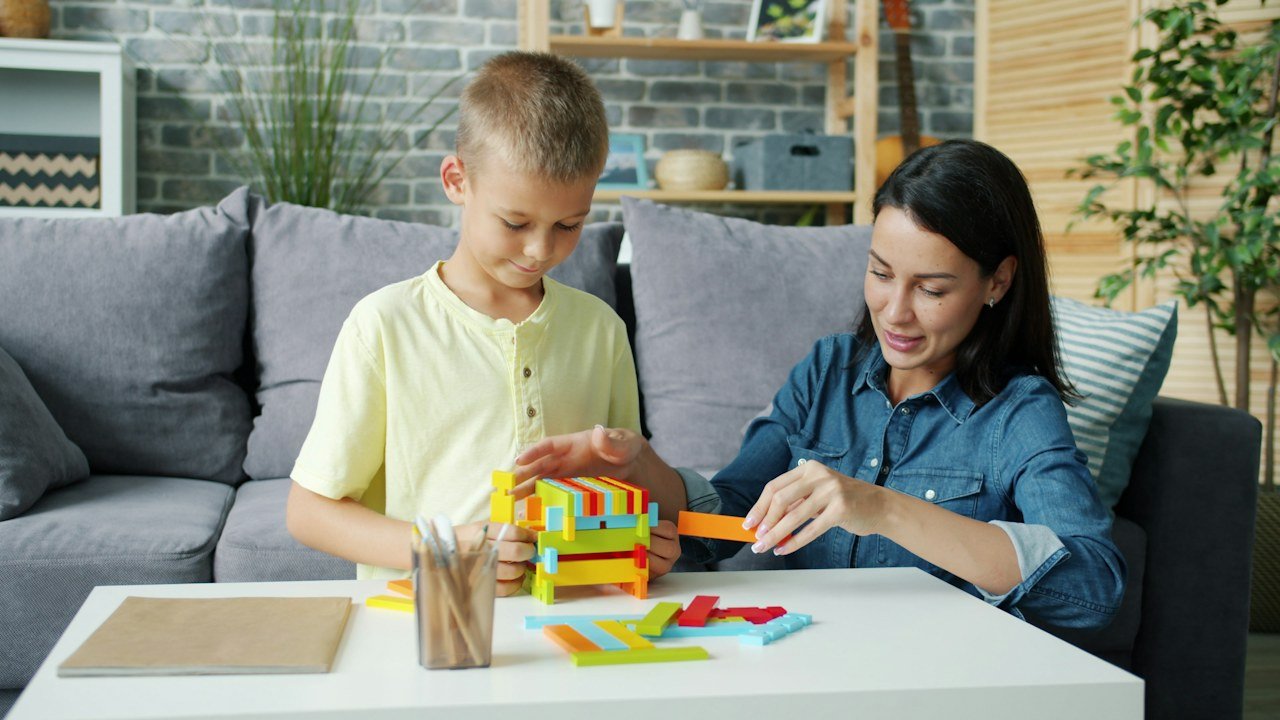
Problem-solving begins long before children learn to read or write. From fitting shapes into a sorter to balancing blocks without knocking them over, everyday play helps children explore challenges and discover solutions. Kids Educational Toys UAE can provide opportunities to develop these early thinking skills through enjoyable, hands-on activities.
Educational toys encourage children to observe, experiment, make decisions and try different approaches. When something does not work immediately, children can learn to adjust their ideas rather than give up.
For parents in the UAE, choosing suitable toys and providing supportive guidance can turn ordinary playtime into opportunities for building confidence, curiosity and problem-solving abilities.
What Are Early Problem-Solving Skills in Children?
Early problem-solving skills involve recognising a challenge, exploring possible solutions and learning from the results.
Young children develop these abilities through everyday experiences, including stacking objects, matching shapes and figuring out how toys work.
Important problem-solving skills include:
- Observation: Noticing differences between shapes, colours and objects.
- Logical thinking: Understanding simple patterns and relationships.
- Decision-making: Choosing between possible solutions.
- Trial and error: Testing ideas and making adjustments.
- Persistence: Continuing to explore after an unsuccessful attempt.
According to the American Academy of Pediatrics, play provides important opportunities for children to develop problem-solving skills from an early age.
These experiences help children become more comfortable approaching unfamiliar challenges.
How Kids Educational Toys UAE Encourage Problem-Solving Through Play
Educational toys create manageable challenges that encourage children to think, explore and discover solutions independently.
Puzzles Encourage Logical Thinking and Observation
Puzzles require children to examine pieces, recognise patterns and identify where objects fit.
Suitable activities include:
- Wooden jigsaw puzzles
- Shape-matching boards
- Picture sequencing games
- Colour-sorting puzzles
- Age-appropriate logic puzzles
For example, when a puzzle piece does not fit, children must observe its shape and consider another position.
Repeated opportunities to experiment can encourage flexible thinking and patience.
Parent tip: Instead of immediately showing the correct answer, ask, “Which piece could you try next?”
Building Blocks Develop Planning and Spatial Reasoning
Building toys introduce children to practical challenges involving balance, size, shape and structure.
Recommended options include:
- Wooden building blocks
- Stacking sets
- Construction toys
- Interlocking blocks
- Age-appropriate building kits
When a tower collapses, children can investigate why it happened and experiment with a wider base or different arrangement.
This introduces basic cause-and-effect reasoning through play.
Parents can explore educational building toys and puzzles that encourage children to investigate different solutions.
Sorting Games Strengthen Decision-Making
Sorting activities help children identify similarities, differences and relationships between objects.
Useful toys include:
- Colour-matching games
- Shape sorters
- Size-grading activities
- Classification cards
- Pattern-building materials
For example, children can sort blocks by colour before attempting to organise them by size.
Changing the sorting rule encourages children to consider new information and adjust their approach.
Which Problem-Solving Toys Are Suitable for Different Ages?
Age-appropriate educational toys provide challenges that match children’s abilities without creating unnecessary frustration.
Ages 1–2: Exploring Cause and Effect
Toddlers often solve simple problems through physical exploration.
Suitable options include:
- Large stacking rings
- Simple shape sorters
- Nesting cups
- Large building blocks
These activities allow children to investigate what happens when objects are moved, stacked or placed inside containers.
Adult supervision is essential, particularly for toys with removable components.
Ages 3–5: Recognising Patterns and Testing Ideas
Preschoolers may enjoy activities involving matching, sequencing and construction.
Recommended toys include:
- Beginner jigsaw puzzles
- Pattern blocks
- Matching cards
- Construction sets
- Simple cooperative games
Children can begin comparing solutions and explaining their choices through conversation.
Ages 6 and Above: Planning Multiple Steps
Older children may enjoy challenges that require more detailed planning.
Consider:
- Strategy board games
- Advanced construction kits
- Logic puzzles
- Maze activities
- Multi-step building projects
When choosing learning toys for kids in the UAE, parents should consider developmental abilities alongside manufacturer age recommendations.
Comparing Educational Toys for Early Problem-Solving Skills
Different educational toys encourage different approaches to solving problems.
| Educational Toy | Problem-Solving Activity | Skills Practised |
|---|---|---|
| Jigsaw puzzles | Finding matching pieces | Observation and reasoning |
| Building blocks | Creating stable structures | Planning and spatial thinking |
| Shape sorters | Matching shapes to openings | Trial and error |
| Pattern games | Completing sequences | Pattern recognition |
| Construction sets | Following or creating designs | Decision-making and creativity |
A single toy may support several skills depending on the activities children create.
For example, construction blocks can be used for counting, balancing, sorting and imaginative building challenges.
How Can Parents Encourage Problem-Solving During Playtime?
Parents can encourage problem-solving by offering manageable challenges and allowing children time to discover solutions.
Ask Questions Instead of Giving Immediate Answers
When children encounter difficulties, use simple prompts such as:
- What do you think happened?
- Could we try another way?
- Which piece might fit here?
- What could make your tower stronger?
These questions encourage children to think about their choices.
Allow Children to Make Mistakes
Mistakes are a natural part of learning.
If a child builds a tower that falls, allow them to experiment with another design rather than immediately rebuilding it.
The National Association for the Education of Young Children (NAEYC) explains that allowing children to work through manageable difficulties can support confidence and problem-solving.
Introduce Small Challenges Gradually
Begin with activities children can complete with reasonable effort.
Once they become comfortable, introduce an additional puzzle piece, a new building challenge or a slightly more complex pattern.
Support should remain available whenever children need help.
Simple Problem-Solving Activities Parents Can Try at Home
Families do not need elaborate learning setups to encourage early thinking skills.
Build a Bridge
Give children building blocks and ask them to create a bridge for a small toy vehicle.
Encourage them to test whether their structure remains stable and make adjustments.
Complete a Missing Pattern
Arrange coloured blocks in a repeating sequence, leaving one position empty.
Ask your child to identify which colour belongs in the missing space.
Create a Puzzle Challenge
Offer an age-appropriate puzzle and invite your child to find matching pieces.
Allow time for exploration before providing hints.
Families can discover additional play-based learning materials through Pebblez Toy Store to introduce variety into everyday activities.
What Should Parents Check Before Choosing Problem-Solving Toys?
The best problem-solving toys are safe, age-appropriate and challenging without becoming overwhelming.
Before purchasing, consider:
- Age suitability: Follow manufacturer recommendations.
- Safety: Check for small parts, loose magnets and accessible batteries.
- Difficulty: Select challenges appropriate to current abilities.
- Versatility: Consider whether the toy supports different activities.
- Engagement: Choose activities that match children’s interests.
A complicated electronic toy is not necessarily more educational than a simple puzzle or building set.
Meaningful learning depends on how children interact with the materials.
Pebblez – Encouraging Curious Young Problem-Solvers in UAE
Pebblez Toy Store offers educational, sensory and developmental play resources for children and families in the UAE. Its collections include puzzles, building activities and other materials that can support hands-on exploration. Parents can review product descriptions, recommended ages and safety information before selecting suitable toys. Thoughtful choices can help create enjoyable opportunities for children to practise independent thinking.
Looking for Educational Toys That Encourage Problem-Solving?
Choosing Kids Educational Toys UAE can help families create playful opportunities for children to explore challenges, test ideas and build confidence. Browse educational toys for children at Pebblez Toy Store and discover activities that encourage curiosity, creativity and early problem-solving through meaningful play.
Frequently Asked Questions
1. How do educational toys help children develop problem-solving skills?
Educational toys encourage children to recognise challenges, test ideas and discover solutions. Puzzles, building blocks and matching games provide opportunities to practise these skills through play.
2. What are the best educational toys for developing logical thinking?
Jigsaw puzzles, pattern games, shape sorters and construction sets are useful options. Choose toys according to your child’s age, abilities and interests.
3. At what age do children begin developing problem-solving skills?
Problem-solving begins during infancy through exploration and simple cause-and-effect experiences. As children grow, they become increasingly capable of completing more complex activities.
4. Can building blocks improve children’s thinking skills?
Building blocks provide opportunities to practise planning, spatial reasoning and experimentation. Children can explore balance, structure and different construction solutions.
5. Should parents help children immediately when they struggle with puzzles?
Children often benefit from having time to try different solutions. Parents can provide gentle hints or encouragement when frustration becomes overwhelming.
6. Are expensive educational toys necessary for problem-solving development?
No. Simple puzzles, blocks and everyday play materials can provide valuable learning opportunities when they are safe, engaging and developmentally appropriate.
