
How Can Educational Toys Support Independent Learning at Home in UAE?

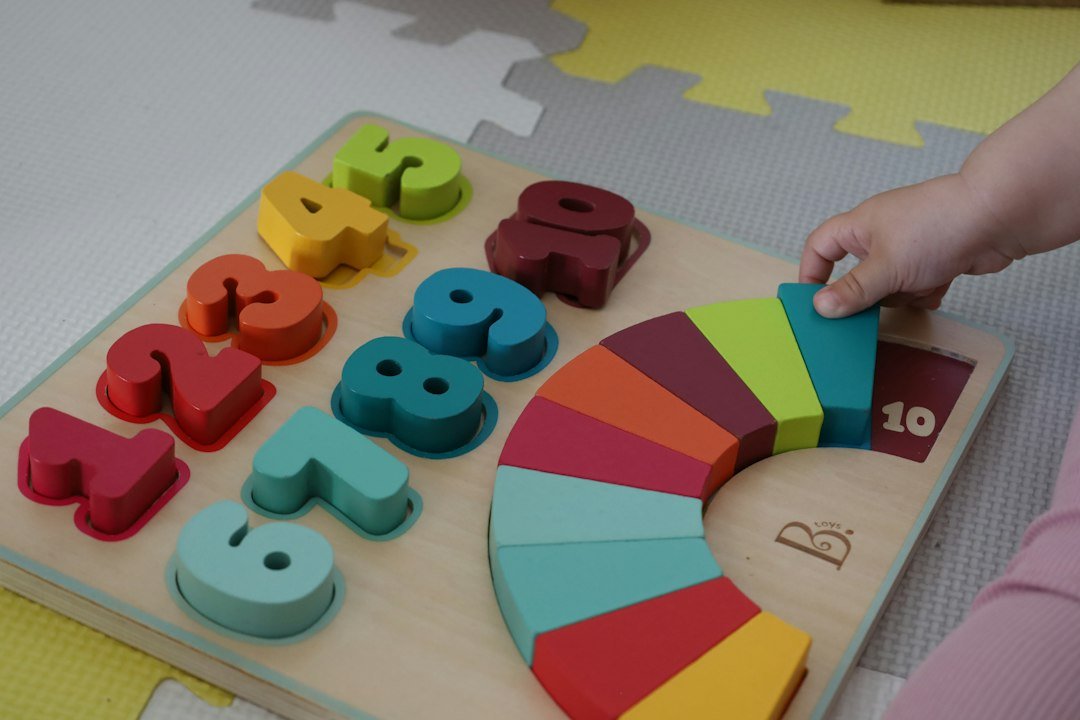
Children develop independence when they have opportunities to explore, make choices and solve simple problems on their own. Educational Toys UAE can support this process by turning everyday play into engaging experiences that encourage curiosity, creativity and independent thinking.
From building blocks and puzzles to sorting games and activity boards, educational toys allow children to experiment, make mistakes and discover solutions at their own pace. These experiences can strengthen confidence while making learning enjoyable.
For parents in the UAE, creating an independent learning environment does not require complicated activities. The right toys, a safe play space and supportive guidance can make a meaningful difference.
What Is Independent Learning, and Why Is It Important for Children?
Independent learning means allowing children to explore activities, make decisions and practise skills with age-appropriate freedom and support.
It does not mean leaving children completely alone. Instead, parents provide suitable materials, encourage curiosity and allow children to attempt manageable challenges independently.
Independent learning can encourage:
- Problem-solving: Finding solutions through experimentation.
- Confidence: Developing trust in their own abilities.
- Decision-making: Choosing activities and exploring possibilities.
- Creativity: Discovering different ways to use materials.
- Persistence: Trying again when something does not work.
According to the National Association for the Education of Young Children (NAEYC), engaging play can help children develop curiosity, initiative, focused attention and persistence.
These skills are valuable during early childhood and can support future learning experiences.
How Educational Toys UAE Encourage Independent Learning at Home
Educational toys encourage children to become active participants in their learning rather than relying entirely on instructions from adults.
Building Problem-Solving Skills Through Puzzles
Puzzles encourage children to observe, compare and experiment with different solutions.
Suitable activities include:
- Shape-matching puzzles
- Wooden jigsaw puzzles
- Colour-sorting games
- Pattern-matching boards
- Age-appropriate logic games
When a puzzle piece does not fit, children can try another approach. This creates opportunities to practise patience and flexible thinking.
Parent tip: Instead of immediately providing the correct answer, ask, “What could you try differently?”
Encouraging Creativity With Open-Ended Toys
Open-ended toys allow children to decide how an activity develops without following one fixed outcome.
Examples include:
- Building blocks
- Construction sets
- Modelling dough
- Art and craft materials
- Pretend-play toys
A child might use the same building blocks to create a house, bridge or imaginary playground.
Parents can explore educational toys for creative learning that encourage experimentation and different play possibilities.
Developing Concentration Through Hands-On Activities
Hands-on toys encourage children to practise using their fingers, hands and attention while completing activities.
Useful options include:
- Stacking rings
- Threading boards
- Sorting activities
- Activity boards
- Building toys
Children may gradually spend longer exploring activities that interest them.
The goal is not to force concentration but to provide enjoyable opportunities for focused play.
Best Educational Toys for Independent Learning by Age Group
The most suitable learning toys depend on children’s developmental abilities, interests and safety needs.
Ages 1–2: Exploring Simple Actions
Toddlers learn through touching, stacking, moving and investigating objects.
Suitable options include:
- Large stacking blocks
- Simple shape sorters
- Stacking rings
- Soft sensory toys
These activities introduce basic coordination and cause-and-effect exploration.
Adult supervision remains essential, especially when children explore objects with their mouths.
Ages 3–5: Making Choices and Trying Solutions
Preschool children often enjoy activities that encourage imagination, matching and simple problem-solving.
Recommended toys include:
- Beginner puzzles
- Pretend-play sets
- Colour-sorting games
- Building blocks
- Reusable activity boards
Allowing children to choose between two appropriate activities can encourage decision-making.
Ages 6 and Above: Planning and Independent Projects
Older children may enjoy activities requiring more planning and multiple steps.
Consider:
- Construction kits
- Strategy games
- Logic puzzles
- Creative project sets
- Age-appropriate educational activity kits
Parents looking for learning toys for kids in the UAE should consider children’s individual abilities alongside manufacturer age recommendations.
Which Educational Toys Support Independent Learning Skills?
Different toys create opportunities to practise different skills through play.
| Learning Skill | Suitable Educational Toys | Independent Activity |
|---|---|---|
| Problem-solving | Puzzles, matching games | Finding solutions |
| Creativity | Building blocks, art sets | Creating original designs |
| Fine motor coordination | Threading toys, stacking sets | Manipulating objects |
| Decision-making | Pretend-play sets | Choosing roles and activities |
| Concentration | Sorting boards, construction toys | Completing self-directed tasks |
One toy may support several skills depending on how the child chooses to use it.
For example, building a tower can involve planning, balancing, counting and imaginative storytelling.
How Can Parents Create an Independent Learning Space at Home?
A simple, organised and safe play area can help children choose activities and explore with greater confidence.
Make Learning Materials Accessible
Arrange age-appropriate toys on low shelves or inside easy-to-open containers.
Children can then select activities, explore them and participate in tidying up afterwards.
Keep hazardous materials and toys intended for older children out of reach.
Offer Choice Without Overwhelming Children
Providing a small selection of toys can make choosing an activity easier.
For example, offer:
- One puzzle
- One construction activity
- One creative-play option
Rotate activities occasionally to maintain variety without constantly purchasing new toys.
Allow Time for Experimentation
Children benefit from opportunities to test ideas before adults intervene.
The NAEYC’s guidance on toys as learning tools encourages caregivers to let children work through manageable difficulties rather than immediately fixing problems for them.
Parents can remain nearby, observe progress and offer assistance when necessary.
Common Mistakes Parents Should Avoid During Independent Play
Supporting independent learning requires a balance between guidance and freedom.
Some common mistakes include:
- Correcting every mistake: Allow children to experiment before offering solutions.
- Choosing overly difficult toys: Select manageable challenges that build confidence.
- Giving too many instructions: Let children explore different approaches.
- Ignoring safety recommendations: Always check age guidance and potential hazards.
- Expecting immediate results: Children develop independence gradually.
Independent learning is not about completing activities perfectly. It is about developing curiosity, confidence and willingness to try.
Making Independent Learning Part of Everyday Family Life
Independent learning can begin with small activities incorporated into daily routines.
Children can sort toys by colour, build structures, complete simple puzzles or create imaginary stories using familiar objects.
Parents can encourage exploration with questions such as, “What would you like to make?” or “What could happen next?”
Families can discover more play-based learning resources through Pebblez Toy Store and choose activities suited to their children’s changing interests.
Pebblez – Supporting Independent Learning Through Play in UAE
Pebblez Toy Store offers educational, sensory and developmental play resources for families and professionals in the UAE. Its collections include toys designed for hands-on exploration, creative activities and early learning. Parents can review product descriptions, safety information and recommended ages to make informed choices. Thoughtful toy selection helps families create enjoyable opportunities for independent play at home.
Looking for Educational Toys That Encourage Independent Learning at Home?
Choosing the right Educational Toys UAE can help children enjoy learning through exploration, problem-solving and creativity. From simple puzzles to imaginative building activities, explore educational and developmental toys at Pebblez Toy Store and discover playful ways to support your child’s growing confidence and independence.
Frequently Asked Questions
1. How do educational toys encourage independent learning in children?
Educational toys provide opportunities for children to explore, make decisions and solve problems. Activities such as puzzles and building games encourage children to try different solutions independently.
2. What are the best educational toys for independent learning at home?
Puzzles, building blocks, sorting games and open-ended creative toys are useful options. Choose toys according to your child’s age, abilities and interests.
3. At what age can children begin independent learning activities?
Children can begin exploring simple, age-appropriate activities during infancy and toddlerhood. The level of independence should increase gradually while maintaining suitable adult supervision.
4. Can educational toys improve children’s concentration?
Engaging toys can provide opportunities to practise focused attention and persistence. However, concentration develops differently for each child, and play should remain enjoyable rather than pressured.
5. How much time should children spend playing independently?
There is no single ideal duration for every child. Begin with manageable periods based on your child’s age and interests, and gradually extend playtime when they remain comfortable and engaged.
6. How can parents support independent learning without interfering?
Provide safe toys, allow children to make choices and observe their activities. Offer encouragement or assistance when needed without immediately taking over the task.
